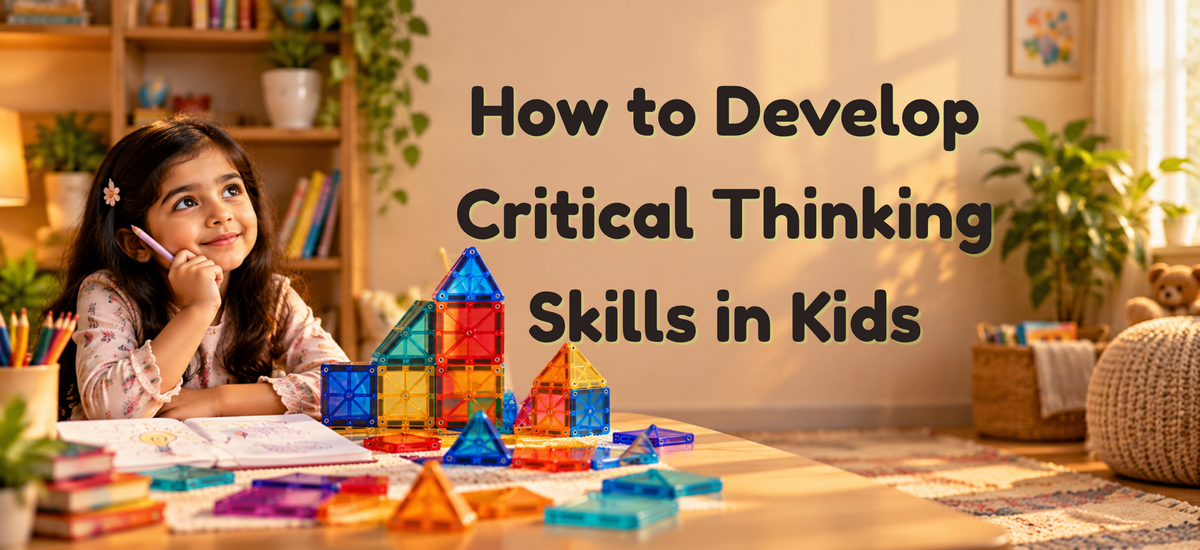
What is Critical Thinking in Kids
In this rapidly changing world, it is very important for every person to think critically and be good problem solvers, so that they can solve complex situations arising everyday, rather than merely repeating the same set of daily tasks and facts. And that does not happen all of a sudden in adulthood – the seed of critical thinking skills needs to be sowed into the person’s life, or better to say thinking habits, right at childhood.
This is exactly why critical thinking in kids is becoming the talk of the day, with the focus being on making the next generation of children, not just routine problem solvers, but also critical analysts – people who do things differently to yield superior results. Inculcating critical thinking skills in children can start as early as when they are three years old, and continue as they grow into teenagers.
Key Benefits of Critical Thinking in Children
Critical thinking skills in children have a long-term role in shaping their personal and professional life, including but not limited to better compatibility in team-building exercises, faster adaptability to complex problems in daily life, faster crisis management skills. We have listed some of the key benefits of critical thinking in children:
-
Better problem solving skills in the real-world scenarios
-
Faster and more solid decision making in complex challenges
-
Analytical approach to everyday problems
-
Independent learning habits, and less reliance on parents’ nudge
-
Broader span of information capture and processing in teenagers.
What Are the Signs of Children Developing Critical Thinking Skills
While many parents wonder whether their children are at all developing critical thinking skills, and keep searching the Internet for relevant Reddits and blogs, there are some easy ways to spot the signs. Ask yourself these simple questions first:
-
Is my kid asking more questions about every single thing lately?
-
Is my kid spending too much time while doing simple tasks?
-
Does my child break apart his toys and inspect each part of it?
-
Is my child arguing a bit more than usual and presenting completely new out-of-the blue viewpoints?
If the answers are yes to even a few of these questions, Congrats! Your little one is actually developing critical thinking skills. As they grow older and enter their teenage years, they will more smartly question the status-quo, be able to distinguish between myths and facts, and evaluate the reliability of the source for important information.
How Working Moms Can Inculcate Critical Thinking in Kids
Inculcating critical thinking skills in your kids is not a one-day or one-week crash course. It happens over time, through routine day-to-day interactions. The fundamental approach that parents can take to boost critical thinking in kids is to never encourage them to ask questions, however lame those questions may sound at times. Curiosity is what drives the urge in children to think critically. By letting children explore their own way of wearing makeup with natural makeup kits, for instance, parents can allow children to figure out how they want to look the cutest, without defining any parameters or set standards.
The second responsibility too lies with the parents, teachers and immediate companion adults, with whom the children interact regularly. The children’s questions should be answered in a thoughtful and encouraging manner – in a way that incites them to ask add-on questions to layer upon the original one. This makes the kids apply their own thinking ability to form an incrementally complex mental imagery of the questions and their answers. Now let us systematically look at four easiest ways in which working mothers, or more generally, working parents can boost critical thinking for toddlers.
Teaching Kids to Analyse Information Systematically
A large part of the critical thinking in kids stems from the ability to weigh alternative approaches to tackling a problem, distinguishing between contradictory evidence that the kid is exposed to, and prioritising between multiple problems. While a large part of it is sudden and out of the rigid box of information that the kid already knows, the approach of imbibing information step-by-step and acting upon it in a systematic manner, is what helps develop critical thinking skills in children.
The more parents and teachers in school allow children to think openly, without setting explicit boundaries in their thinking process, the more likely it is that the kids actually develop their critical thinking abilities.
Creative Toys and Open-Ended Play
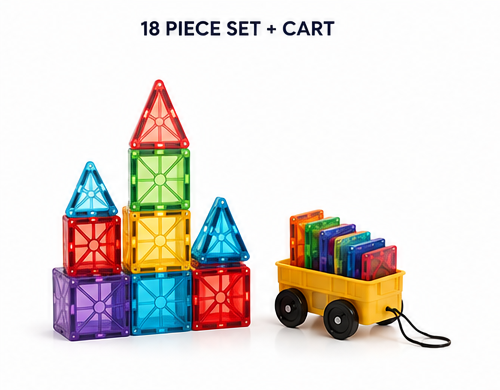
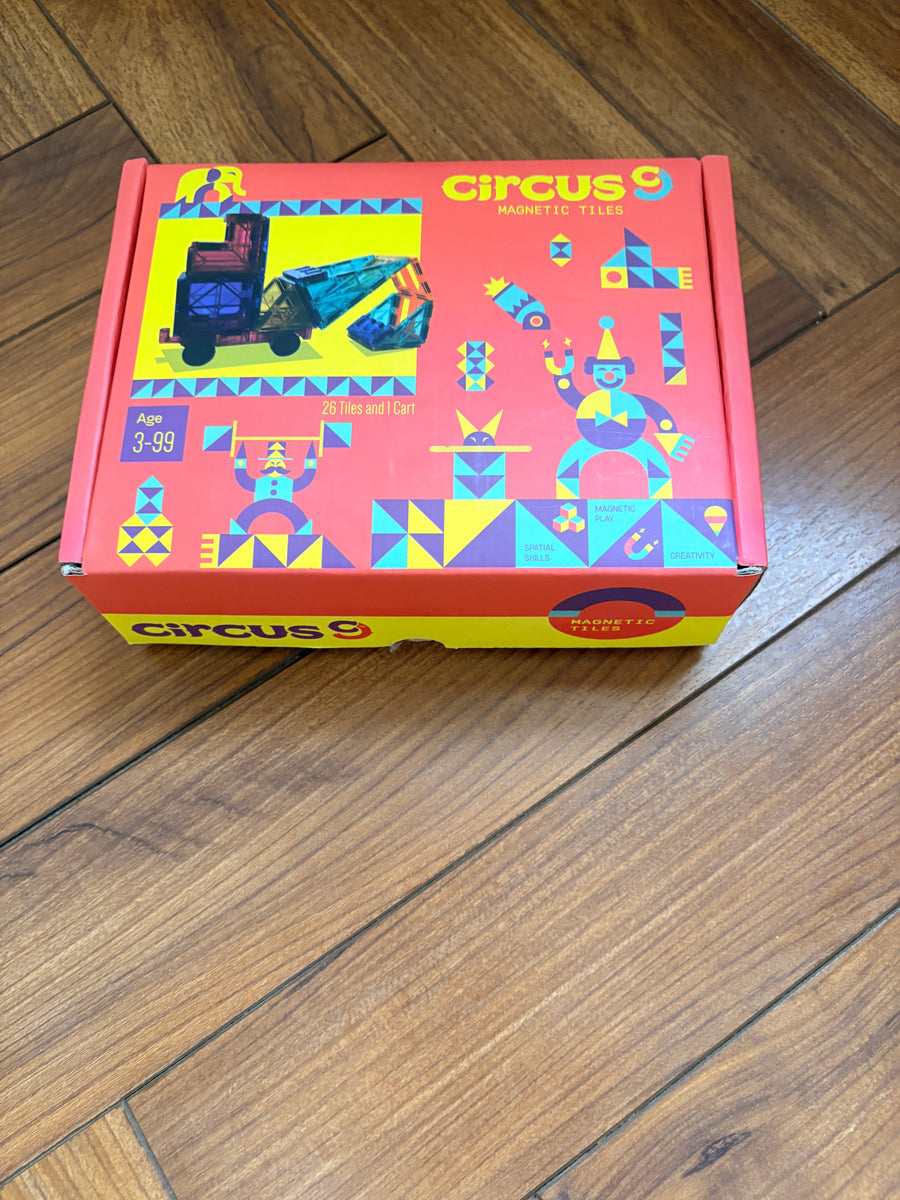
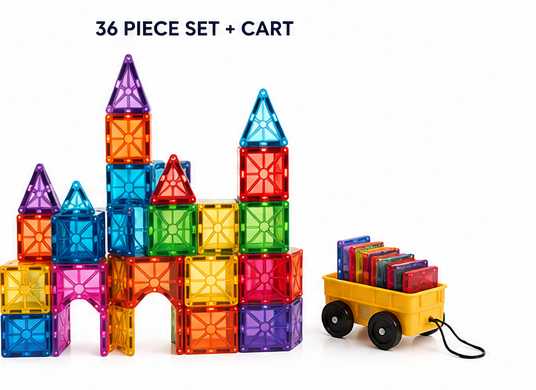
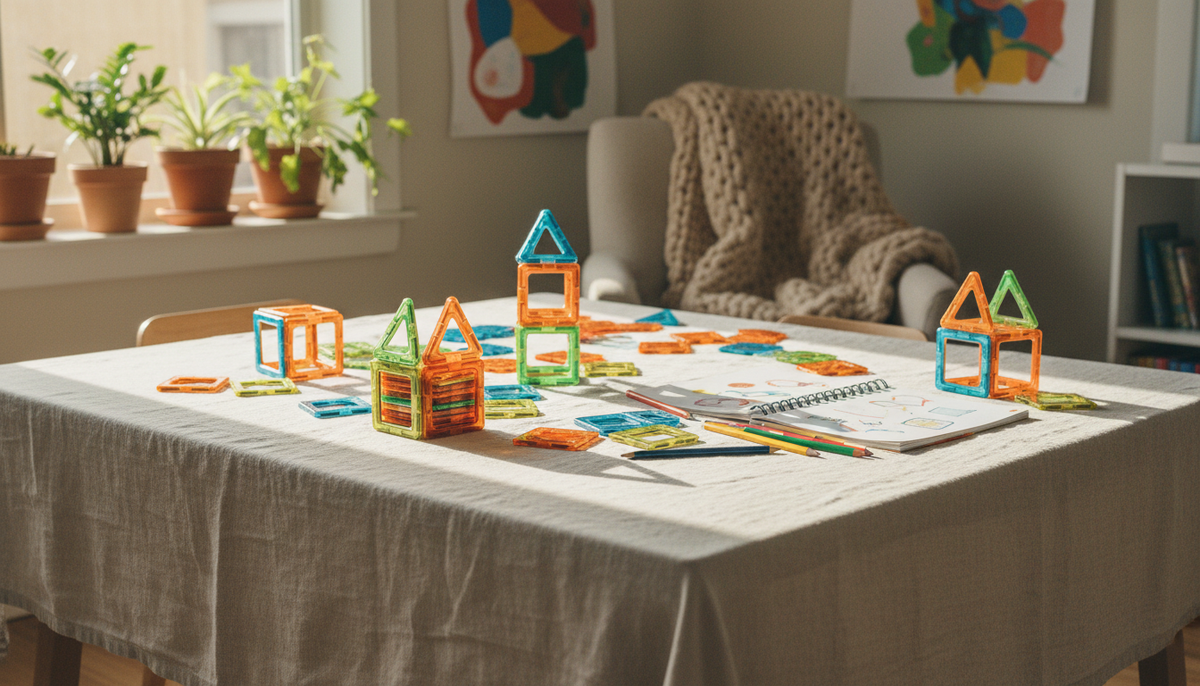
Open ended toys are the unsung heroes that boost critical thinking in kids without much effort from the adults. Parents do not have to tell their kids how to play with these toys – children learn it at their own pace and in their own way; that is why the term “open-ended” , while some experts also call these “forever toys”. Such open-ended play unlocks new ideas, new ways of doing tasks and building things that pushes the child’s imagination beyond the conventional thought-processes of adults. Magnetic Building Tiles by Circus9, LEGO blocks, play silks, wooden blocks, kitchen playsets are some such creative toys that nudge the child to think critically.
Encouraging Reflection on Past Acts and Frank Discussions
A child makes several decisions everyday about small acts and tasks daily. While most of these decisions are trivial, some of the decisions have a more profound impact on the child’s health, well-being, joy or other aspects. Regardless of the impact, parents should discuss the impact of the most important decisions that the child made throughout the day, or may be throughout the week. This gives the child a safe space to share their troubles, and reflect upon their past acts, which in turn improves the decision making skills of kids.
Developing Inquisitiveness and Curiosity
By nurturing curiosity in kids, parents and teachers can help children become more analytical in their problem-solving approach as they grow up. Children’s curiosity arises not only from the academic environment, but also in their outdoor exploration, inside the bus during transit to and fro from school, at home while playing or even simple chores such as eating. Curiosity in kids may be manifested in as simple an activity as picking up the fork differently while eating their noodles. Some pediatricians suggest parents to involve their children in completely new household activities to encourage them to think out of the box. This kind of inquisitiveness-boosting gesture actively promotes critical thinking in children.
How Circus9 Magnetic Tiles Boost Critical Thinking for Kids
Circus9 Magnetic Tiles turn playtime into an opportunity for children to think, experiment and discover, at their own pace and according to their imagination. As kids build different structures with these magnetic tiles, they learn to solve problems, test ideas and figure out what works best. These small building challenges help develop critical thinking skills for kids while encouraging curiosity in children.
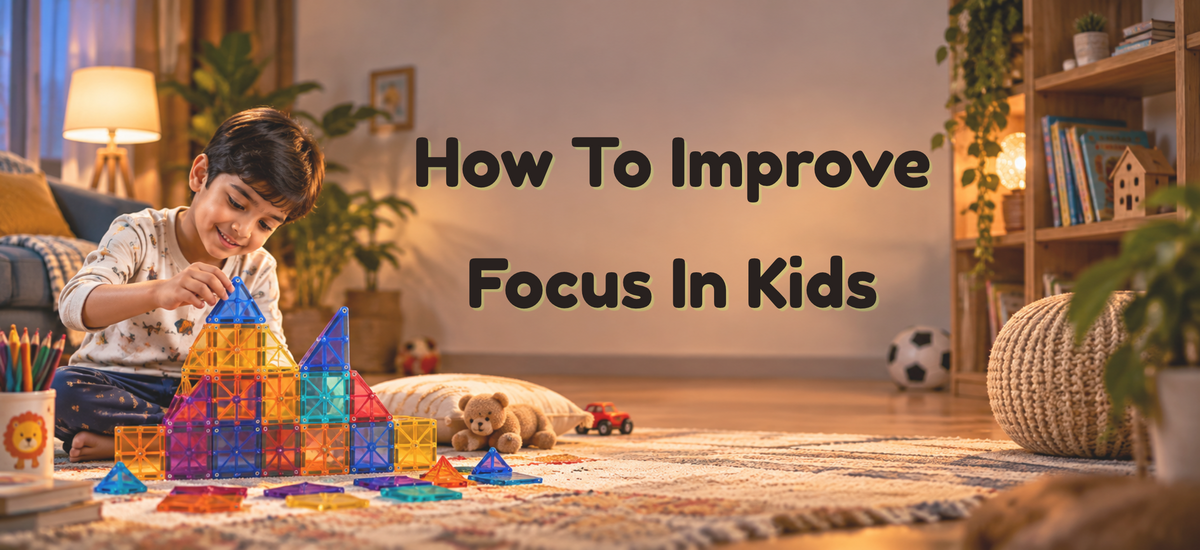
Every build involves some decision making skills of kids, such as what shape to use, where to place a tile, and how to make a structure stand. When something doesn’t work, children can rethink their approach and try again. This open-ended play thereby improves critical thinking skills and concentration in kids.
Whether building independently or alongside a parent, children get to explore possibilities at their own pace. With Circus9 Magnetic Tiles, screen-free play becomes a joyful way to nurture curiosity, creativity and problem-solving, one little but ambitious creation at a time.